Unlock Calm: Practical Stress Management & Self-Care Tips
Feeling overwhelmed? I'm sharing practical, actionable stress management and self-care strategies to help you find consistency and calm in your busy life.
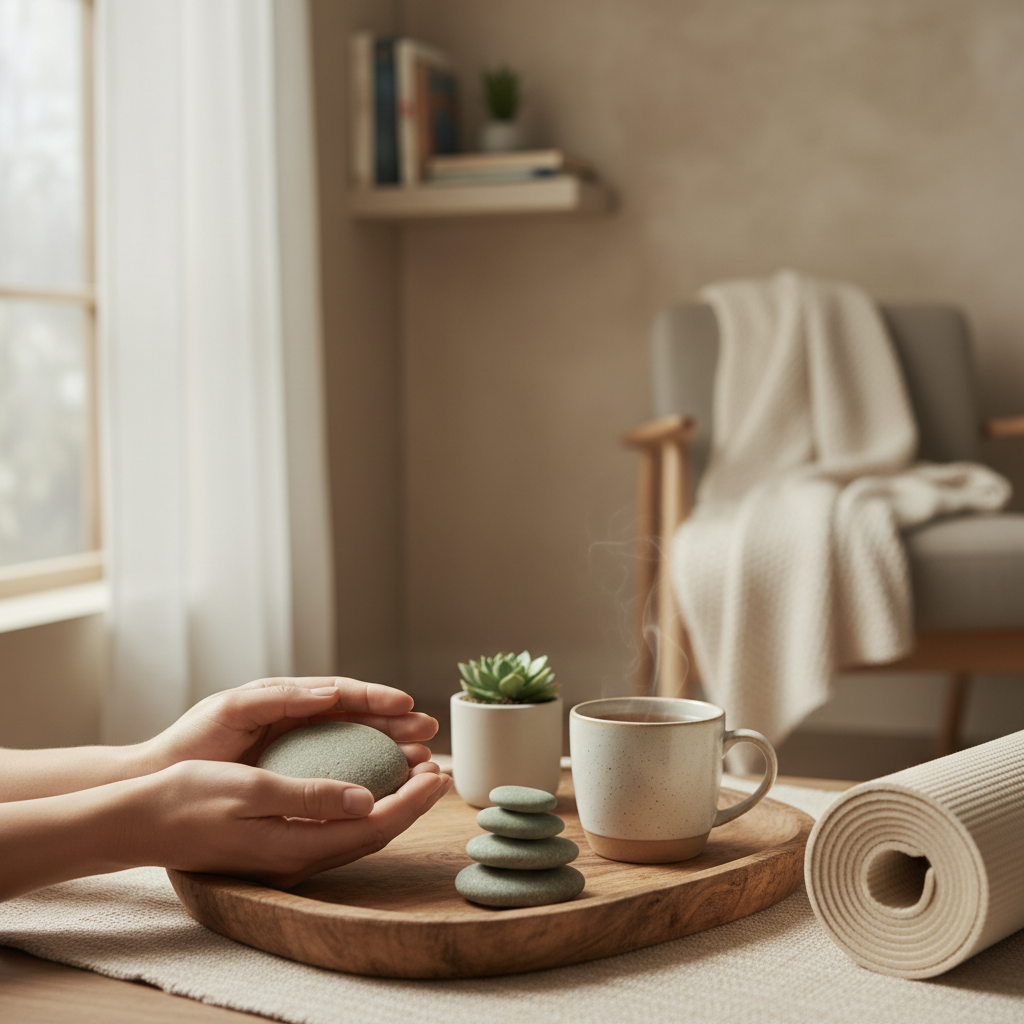
Hello, wonderful people! Kirsten here, your National Board Certified Health & Wellness Coach. Today, I want to talk about something incredibly common, yet often overlooked: stress management and self-care. I hear it all the time from clients: "I know I should meditate," or "I really need to get more sleep," or "I just can't seem to make time for myself." If this sounds familiar, you are absolutely not alone. We live in a fast-paced world, and it's easy to get caught in the cycle of knowing what's good for us but struggling to consistently implement those healthy habits. My goal today is to offer some practical, actionable advice to help you integrate effective stress relief techniques and daily self-care practices into your life, even when consistency feels like a distant dream.
We often think of self-care as a luxury, something we do only when everything else is perfect. But the truth is, self-care is a fundamental necessity for sustainable well-being and effective stress reduction. It's about proactively recharging your battery, not waiting until it's completely drained. Let's explore how we can make this a consistent part of your routine.
Start Small: Tiny Habits for Big Impact
One of the biggest hurdles to consistent self-care is the feeling that it has to be a grand gesture – a spa day, a week-long retreat, or an hour of yoga. While those are lovely, they aren't always realistic for daily life. This is where the power of tiny habits comes in. Instead of aiming for perfection, aim for consistency with small, manageable steps. Think about what you can realistically commit to for just 5-10 minutes each day. These small, consistent actions are the building blocks of lasting change and can significantly improve your stress levels.
- Mindful Moments: Can you take three deep breaths before checking your email? Or spend 2 minutes truly savoring your morning coffee? These micro-breaks can be powerful stress reducers.
- Movement Snacks: Instead of a full workout, try a 5-minute stretch session or a quick walk around the block. Any movement is better than no movement for managing stress and boosting mood.
- Hydration Habit: Keep a water bottle handy and make a conscious effort to sip throughout the day. Dehydration can exacerbate feelings of fatigue and stress.
- Digital Detox Dash: Set a timer for 10 minutes before bed and put your phone away. Read a physical book, journal, or just sit quietly. This simple act can improve sleep quality and reduce evening anxiety.
Remember, the key is to make these habits so small and easy that you can't say no to them. Consistency over intensity, always.
Identify Your Stress Triggers & Responses
To effectively manage stress, it's crucial to understand what causes it and how your body and mind react. This isn't about avoiding stress entirely – that's impossible – but rather about developing healthier coping mechanisms. Take a moment to reflect on your typical day or week. What situations, people, or thoughts tend to elevate your stress? Is it a demanding work project, family obligations, or perhaps your own perfectionistic tendencies?
Once you identify your triggers, observe your responses. Do you clench your jaw, get irritable, experience stomach upset, or find yourself procrastinating? Becoming aware of these patterns is the first step toward changing them. When you feel stress building, pause and ask yourself: "What do I need right now?" Sometimes it's a break, sometimes it's a conversation, and sometimes it's simply acknowledging the feeling without judgment. This self-awareness is a cornerstone of effective stress reduction strategies and cultivating emotional well-being.
Build Your Personalized Self-Care Toolkit
Self-care isn't one-size-fits-all. What recharges one person might drain another. It's about discovering what truly nourishes you. Think of your self-care toolkit as a collection of go-to activities that help you relax, rejuvenate, and find joy. This toolkit should include a mix of activities that address your physical, mental, emotional, and even spiritual needs. Experiment with different options to find what resonates most with you.
- Physical Self-Care: Gentle exercise, nourishing meals, adequate sleep, spending time in nature.
- Mental Self-Care: Reading, learning a new skill, journaling, puzzles, limiting news consumption.
- Emotional Self-Care: Connecting with loved ones, practicing gratitude, setting boundaries, allowing yourself to feel emotions.
- Spiritual Self-Care (if applicable): Meditation, prayer, spending time in quiet reflection, connecting with your values.
The beauty of a personalized self-care toolkit is that it's flexible. On a busy day, you might grab a 5-minute meditation. On a weekend, you might indulge in a longer walk or creative hobby. The goal is to have options readily available to support your well-being, helping you manage daily stressors and improve your mental health.
Remember, building consistency in stress management and self-care is a journey, not a destination. There will be days you nail it, and days you miss the mark. And that's perfectly okay! The important thing is to keep showing up for yourself, even imperfectly. If you're feeling stuck or want to explore how to integrate these practices more consistently into your unique life, I'm here to help. As your National Board Certified Health & Wellness Coach, I can provide the personalized support and accountability you need to transform your intentions into sustainable habits. Let's connect and start building a calmer, more resilient you!
You Might Also Enjoy
Unlock Your Health Potential: Mindset & Motivation Secrets
Discover how a powerful mindset and consistent motivation can transform your health journey. Learn practical strategies to overcome struggles and achieve lasting wellness.
Unlock Your Health Goals: The Power of Accountability
Struggling with health consistency? Discover how accountability and smart goal setting can transform your wellness journey and help you achieve lasting results.

Unlock Your Best Self: The Power of Sleep & Recovery
Struggling with consistency in your health goals? Discover how prioritizing sleep and recovery can transform your well-being and boost your energy.